
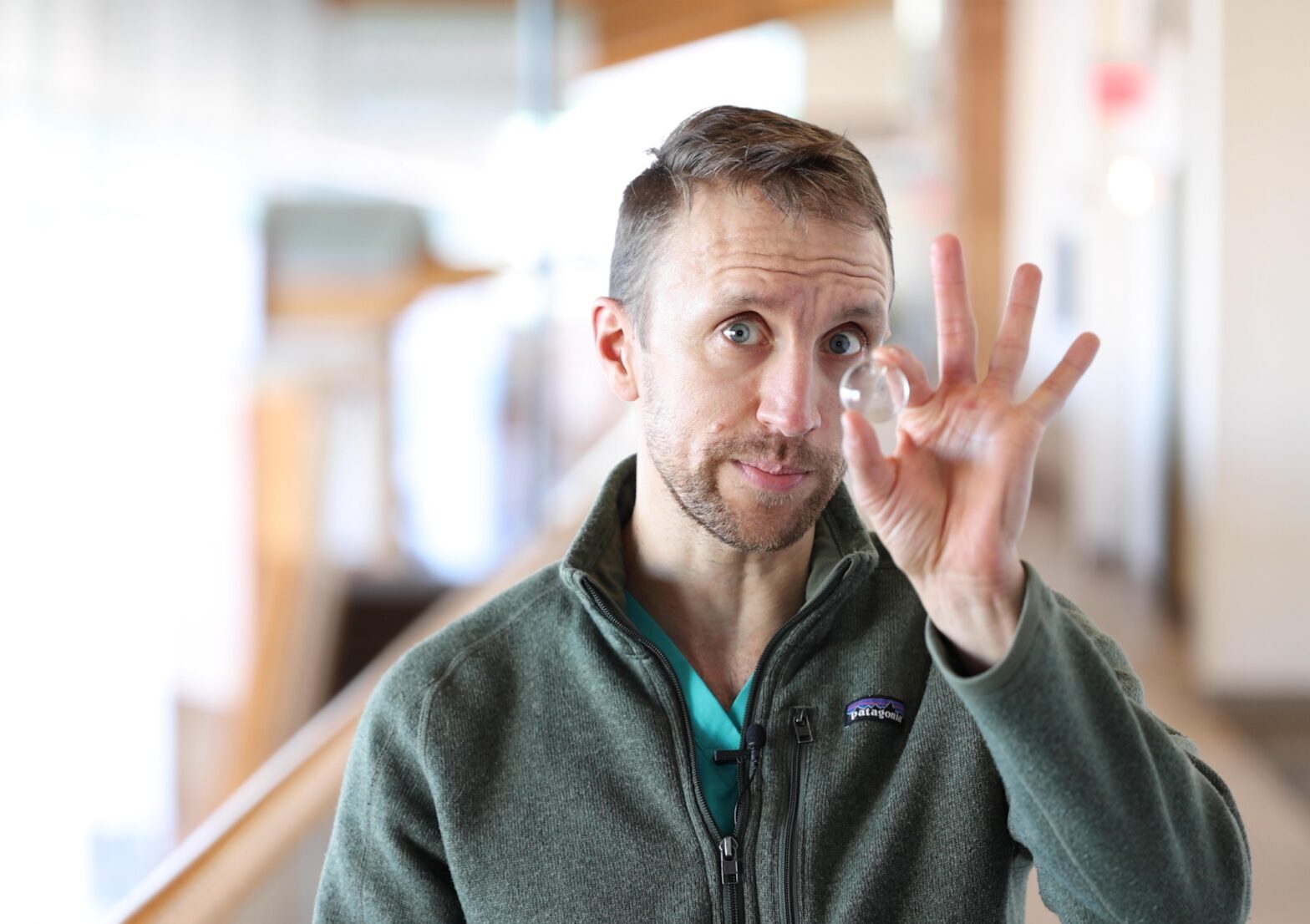
As we head into the brighter days of summer, Healthy Vision Month in May is a powerful reminder that protecting your eyesight is essential to your overall health. This national observance encourages people of all ages to make their vision a priority and take simple steps that can prevent long‑term eye disease.
More than 51 million American adults experience some form of vision impairment, yet many eye conditions are preventable or treatable when caught early. For Montanans, who spend long hours outdoors, on the road, or working in bright, reflective environments, taking care of your eyes is especially important. Keep reading to learn about risks, prevention tips, and local resources available right here in Central Montana.
Why Healthy Vision Matters:
Healthy vision is crucial for daily success as it directly affects safety, independence, learning, productivity, and long-term health. Long-term neglect of eye care can lead to irreversible conditions like glaucoma, diabetic retinopathy, and age-related macular degeneration. These conditions often have no early symptoms, and without regular eye exams, they can progress until vision is permanently lost.
Common Preventable or Partially Preventable Eye Diseases in Montana
Diabetic Retinopathy
Diabetes is a major health concern across Montana, especially in rural communities where access to routine care can be limited. The good news is that diabetic retinopathy is often strongly preventable or manageable when caught early. Keeping blood sugar and blood pressure in a healthy range, along with getting regular dilated eye exams, can slow or even stop the disease before it threatens your vision. Early detection is the most powerful tool for protecting your sight.
Cataracts
Cataracts are extremely common with aging, but UV exposure through active outdoor lifestyles combined with Montana’s high elevation can accelerate them. Cataracts cannot be prevented entirely but by wearing UV-blocking sunglasses significantly reduces risk of earlier onset. Smoking cessation also lowers cataract risk.
At the Great Falls Clinic Vision Center, Dr. Brandon McCafferty offers world-class specialized cornea and retina care ranging from cataract surgery, and corneal transplants to routine and comprehensive vision care.
Glaucoma
Glaucoma usually causes no pain, no redness, and no noticeable vision changes early on. Most people don’t realize anything is wrong until permanent damage has already occurred. Because glaucoma is silent at first, the only way to catch it early is through a comprehensive dilated eye exam. Early treatment can protect vision for life. You can’t stop glaucoma from developing entirely, especially if you have strong risk factors, but you can prevent most vision loss by catching it early.
Prevention techniques include:
- Prescription eye drops
- Laser treatment
- Surgery (in some cases)
Age-Related Macular Degeneration (AMD)
Aging is one of the leading causes of vision loss in people over 50, and age‑related macular degeneration (AMD) is especially common in Montana’s older adults. Because many Montanans spend long hours outdoors, drive long distances, and often live far from specialty care, understanding AMD risk factors, and how to reduce them, is essential for protecting long‑term vision.
Key Factors That Influence AMD in Central Montana
- Smoking dramatically increases the risk of AMD. Smoking is one of the strongest known risk factors for AMD. It damages the blood vessels that supply the retina and accelerates the breakdown of macular tissue. In rural Montana, where smoking rates remain higher than in many urban areas, this risk is especially important to address. Quitting smoking can significantly reduce the likelihood of developing AMD or slow its progression.
- Diets rich in leafy greens and omega‑3s help protect the retina. Eating a balanced diet that includes leafy greens, colorful vegetables, and healthy fats can support overall eye health. These foods naturally contain nutrients that help maintain the macula, the part of the eye responsible for sharp central vision. In Montana, many people already get these nutrients through home‑grown produce, locally caught fish, and whole‑food meals. While no single food can prevent age‑related macular degeneration, choosing nutrient‑rich foods is one simple way to support long‑term vision.
UV Related Eye Damage
Montana’s high elevation and residents frequent outdoor recreation significantly increase UV exposure to the eyes. At higher altitudes, the atmosphere is thinner, which means UV rays are stronger. In Central Montana, where sunny days, reflective snowpack, and open landscapes are common, your eyes absorb even more UV light year‑round. Whether you’re fishing on the Missouri River, hiking in the Little Belts, working on the ranch, or spending long days driving between rural communities, your eyes are exposed to intense sunlight from above and reflected light from below.
You can protect your eyes by wearing sunglasses that block 99–100% of UVA and UVB rays. Wrap‑around styles offer even better coverage on windy days when dust and glare are high. Adding a wide‑brimmed hat provides extra shade and reduces the amount of direct and reflected UV light reaching your eyes, a simple habit that makes a big difference under the Montana sun.
Contact Lens-Related Infections
Improper lens hygiene is one of the leading causes of preventable eye infections, including dry eye syndrome, corneal ulcers, and allergic reactions. These conditions can be painful, affect your vision, and often require medical treatment. In Central Montana, the risk is even higher because our dry climate, frequent winds, and outdoor lifestyles expose contact lens wearers to dust, pollen, and debris that can easily get trapped under a lens.
To protect your eyes, always wash your hands before handling your lenses, disinfect them after each use, and replace them on the schedule recommended by your provider. Avoid sleeping in your contacts unless they’re specifically approved for overnight wear and never rinse lenses with tap water; rural well water and untreated water sources can contain microorganisms that cause serious infections.
If you experience redness, pain, light sensitivity, or sudden blurred vision, remove your lenses immediately and contact the Great Falls Clinic Vision Center. Early treatment can prevent long‑term damage and keep your eyes healthy in Montana’s challenging environment.

When to See a Specialist
Keeping your eyes healthy starts with regular, preventative care. Even if your vision seems fine, a comprehensive eye exam every 1 – 2 years helps catch problems early, long before symptoms appear. People with diabetes, a family history of eye disease, or those over age 60are recommended to have exams every year and sometimes more often. And anytime you experience sudden changes in vision, flashes of light, new floaters, eye pain, redness, or an injury, you should seek care right away. Regular eye exams are one of the simplest and most effective ways to protect your sight for life.
Whether you’re due for a routine exam, managing a chronic condition, or noticing new changes in your sight, the Great Falls Clinic Vision Center team is here to help you stay ahead of eye disease. Our specialist provides comprehensive, compassionate care for every stage of life, right here in your community. This Healthy Vision Month, take the step that your future self will thank you for and schedule an eye exam at the Great Falls Clinic. Your eyes deserve expert care, and we’re ready to support you every step of the way.
Sources:
- American Foundation for the Blind. (n.d.). Facts and Figures on Adults with Vision Loss. https://www.afb.org/research-and-initiatives/statistics/adults-vision-loss
- American Academy of Ophthalmology. (2024). Diabetic Eye Disease. https://www.aao.org/eye-health/diseases/diabetic-eye-disease
- Centers for Disease Control and Prevention. (2023). Taking Care of Your Eyes. https://www.cdc.gov/vision-health/prevention/take-care-of-your-eyes.html
- Centers for Disease Control and Prevention. (2023). About Common Eye Disorders and Diseases. https://www.cdc.gov/vision-health/basics/common-eye-disorders.html
- National Association of Chronic Disease Directors. (2020). Vision Health Infographic (NACDD_Infographic‑Vision.pdf). https://chronicdisease.org/resource/resmgr/initiatives/vision-health/NACDD_Infographic-Vision.pdf
- Centers for Disease Control and Prevention. (2023). Fast Facts: Vision Loss. https://www.cdc.gov/vision-health/data-research/fast-facts.html